
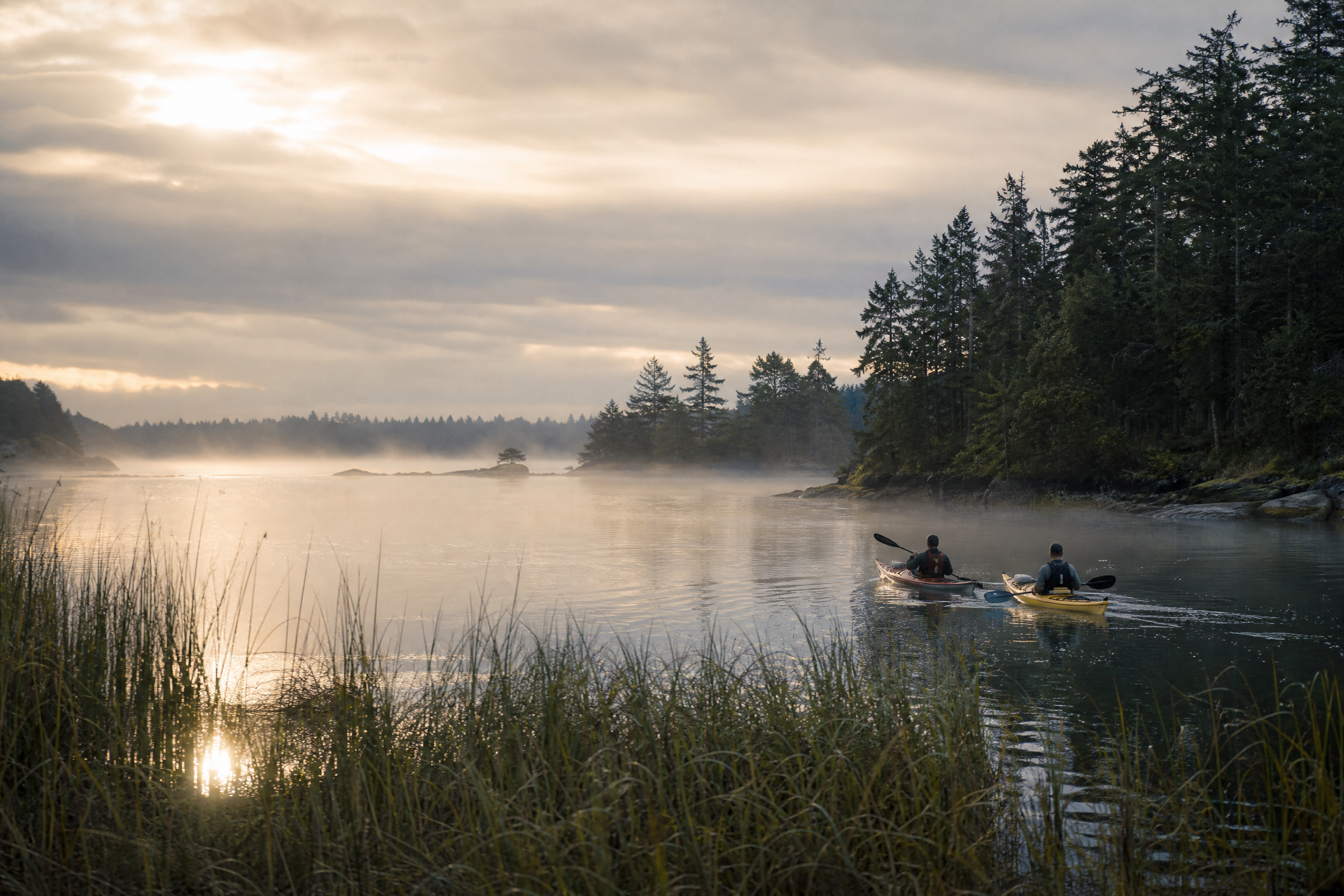
The most rewarding shoreline walks are not always the longest or most photographed. They are the walks that give you a clear relationship with the water: a changing edge, a sheltered cove, or a rise where the landscape opens for a few minutes. When researching a route, look for public access notes, parking limits, terrain details, and whether the path crosses working waterfront or sensitive habitat.
Time matters as much as distance. Low light makes a familiar shoreline feel more layered, while a rising tide can change the character of a narrow beach. Checking tide and weather conditions helps you choose a route that stays comfortable. Bring shoes with dependable grip, a light layer, and more water than the map suggests.
Keep the walk easy to share with other people and wildlife. Stay on marked paths where they exist, keep dogs under control, and leave shells, stones, and plants where you found them. A good route gives you a view without asking the place to perform for you.